How to Stay in a Calorie Deficit Over the Weekend (Without Ruining Your Social Life)
You smash it Monday to Friday — clean eating, training done, hitting your targets. Then the weekend rolls in and it all goes sideways. Here's how to enjoy yourself without undoing your progress.
The Weekend Problem Nobody Talks About
You know the feeling. Monday to Friday you're dialled in — meal prep sorted, training done, calories on point. Then Friday night arrives and suddenly it's a takeaway, a few drinks, a big Sunday roast, and by Monday morning you're back to square one.
You're not weak. You're not failing. You're just human. And the good news is, you don't have to choose between having a life and getting results.
Here's the honest truth from a PT who's worked with hundreds of people in Glasgow's East End: the weekend doesn't have to wreck your progress if you plan for it.
Why the Weekend Hits Different
The average person eats around 500–1,000 extra calories per day on Saturday and Sunday compared to weekdays. That's not just one big meal — it's the combination of:
- A bigger breakfast because you're not rushing
- Snacking more because you're at home
- A few drinks on Friday or Saturday night
- A takeaway or a big meal out
- Less movement (no commute, sitting watching the football)
Over a full week, this can completely cancel out a calorie deficit you worked hard to create Monday to Friday.
But here's the thing — you don't need to be perfect. You just need a strategy.
7 Practical Tips to Stay on Track Over the Weekend
1. Plan Your Indulgences in Advance
Don't try to "wing it" on a Saturday night. If you know you're going out for a meal or having a few drinks, plan for it. Eat lighter earlier in the day — a high-protein breakfast and a smaller lunch — so you've got calories banked for the evening.
This isn't restriction. It's just smart planning. You're still eating, you're still going out, you're just front-loading your day differently.
2. Don't Skip Breakfast — Make It High Protein
The worst thing you can do on a Saturday morning is skip breakfast to "save calories." You'll be ravenous by lunchtime and make terrible decisions.
Instead, have a big high-protein breakfast — eggs, Greek yoghurt, cottage cheese, smoked salmon. Protein keeps you full for longer and reduces the chance of snacking your way through the afternoon.
Aim for 30–40g of protein at breakfast on weekends.
3. Watch the Liquid Calories
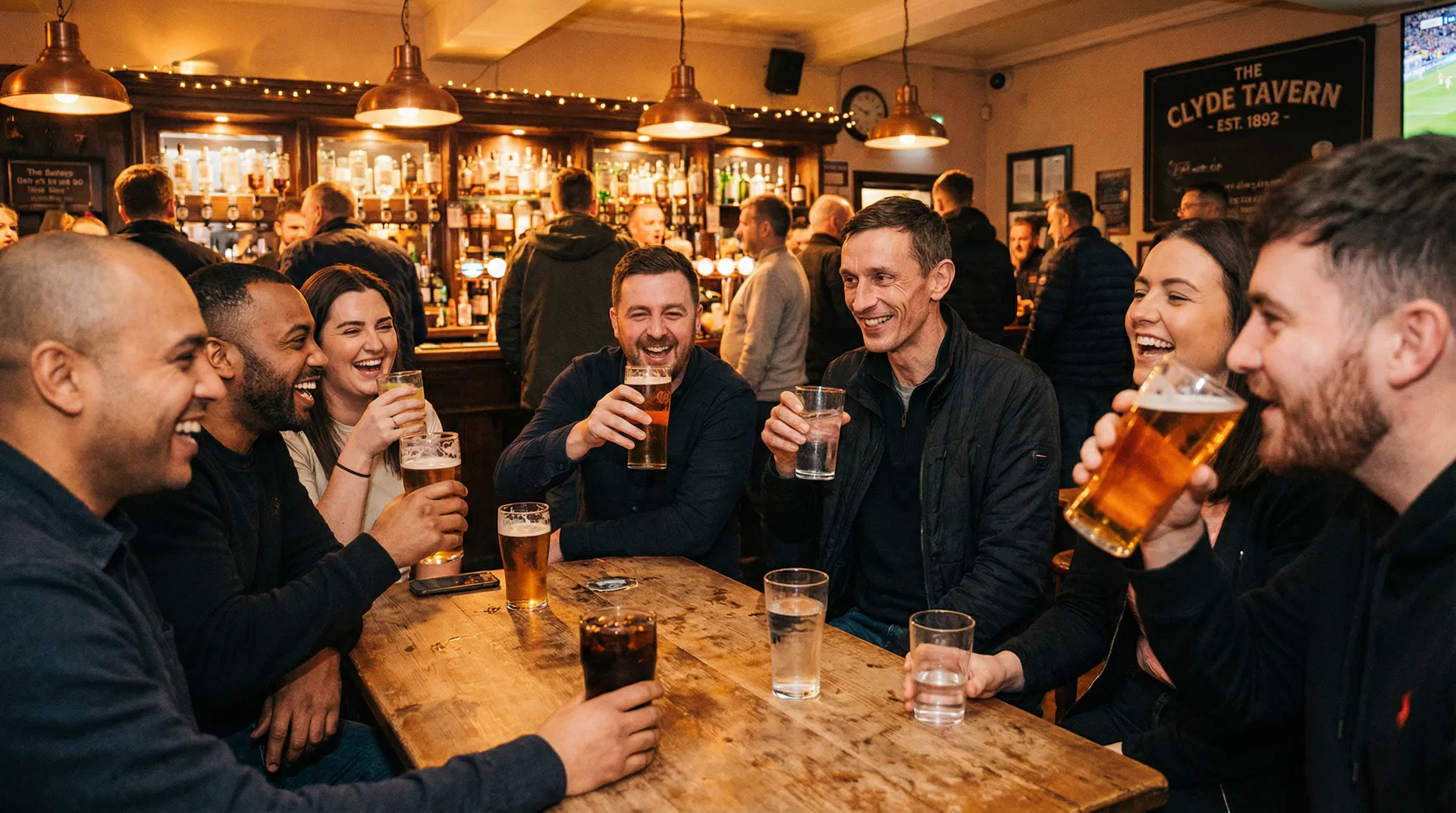
This is the big one for most people in Glasgow. A pint of lager is around 180–200 calories. Four pints is 700–800 calories — that's a full extra meal.
You don't have to stop drinking. But a few swaps make a big difference:
- Spirits with a diet mixer (vodka soda, gin and slimline tonic) — around 60–90 calories vs 180–200 for a pint
- Alternate alcoholic drinks with water or diet drinks — cuts your intake in half and you'll feel better the next day
- Set a number before you go out — "I'm having 3 drinks tonight" is much easier to stick to than trying to decide in the moment
4. Keep Moving — Even a Little
You don't need to train on a Saturday if you don't want to. But try not to spend the whole day on the sofa either.
A 30-minute walk burns around 150–200 calories and keeps your metabolism ticking over. Walk to the shops instead of driving. Take the dog out for longer. Go for a walk after your Sunday dinner.
Non-exercise activity (just moving around) can account for 200–400 calories a day. On weekends when you're less active, that gap adds up.
5. Make Smarter Choices When Eating Out
You can absolutely eat out and stay on track. It's about making better choices, not ordering a salad when everyone else is having a curry.
A few simple rules:
- Go for grilled or baked over fried where you can
- Ask for sauces on the side — a lot of hidden calories are in dressings and sauces
- Skip the starter or the dessert, not both — pick one to enjoy properly
- Don't feel obliged to finish everything on the plate — restaurant portions are often massive
6. Have a High-Volume, Low-Calorie Dinner on Nights You're Staying In
If you're having a quiet Saturday in, this is your chance to eat a genuinely satisfying meal without blowing your calories.
Think: a big stir-fry with loads of veg and lean chicken, a homemade curry with cauliflower rice, a massive bowl of soup with wholegrain bread. High volume, lots of protein, low calorie density.
You'll feel full and satisfied, and you've kept your deficit intact.
7. Don't Let One Bad Day Become Two
This is probably the most important one. If Saturday goes off the rails — takeaway, a few too many drinks, a big dessert — it doesn't matter as long as Sunday is back on track.
One bad day in a week is not going to stop your progress. Two bad days in a row is where it starts to add up. The ability to draw a line and get back on it the next day is the single most important skill in long-term fat loss.
The Numbers: What a "Weekend Save" Actually Looks Like
Let's say your daily calorie target for fat loss is 2,000 calories.
| Day | Approach A (No Plan) | Approach B (Weekend Strategy) |
|---|---|---|
| Monday–Friday | 2,000 cal/day = 10,000 | 2,000 cal/day = 10,000 |
| Saturday | 3,200 cal (takeaway + drinks) | 2,400 cal (planned night out) |
| Sunday | 2,800 cal (big roast + snacking) | 2,200 cal (big roast, sensible rest of day) |
| Weekly Total | 16,000 calories | 14,600 calories |
That's a difference of 1,400 calories over the week — roughly equivalent to an extra day of fat loss — just from having a plan rather than winging it.
The Bottom Line
You don't need to be perfect. You don't need to avoid social situations or turn down a night out. You just need a strategy that lets you enjoy your weekends without undoing the work you've put in during the week.
Plan your indulgences. Keep your protein high. Watch the liquid calories. Keep moving. And if one day goes sideways, get straight back on it the next morning.
If you want a personalised plan that actually fits around your real life — weekends included — that's exactly what we do at Generation Health & Fitness in Bridgeton. Get in touch today [blocked] and we'll get you started.
Charlie Nield is a personal trainer and gym owner at Generation Health & Fitness, Bridgeton, Glasgow. He specialises in fat loss, body composition, and making fitness work for real people with real lives.